
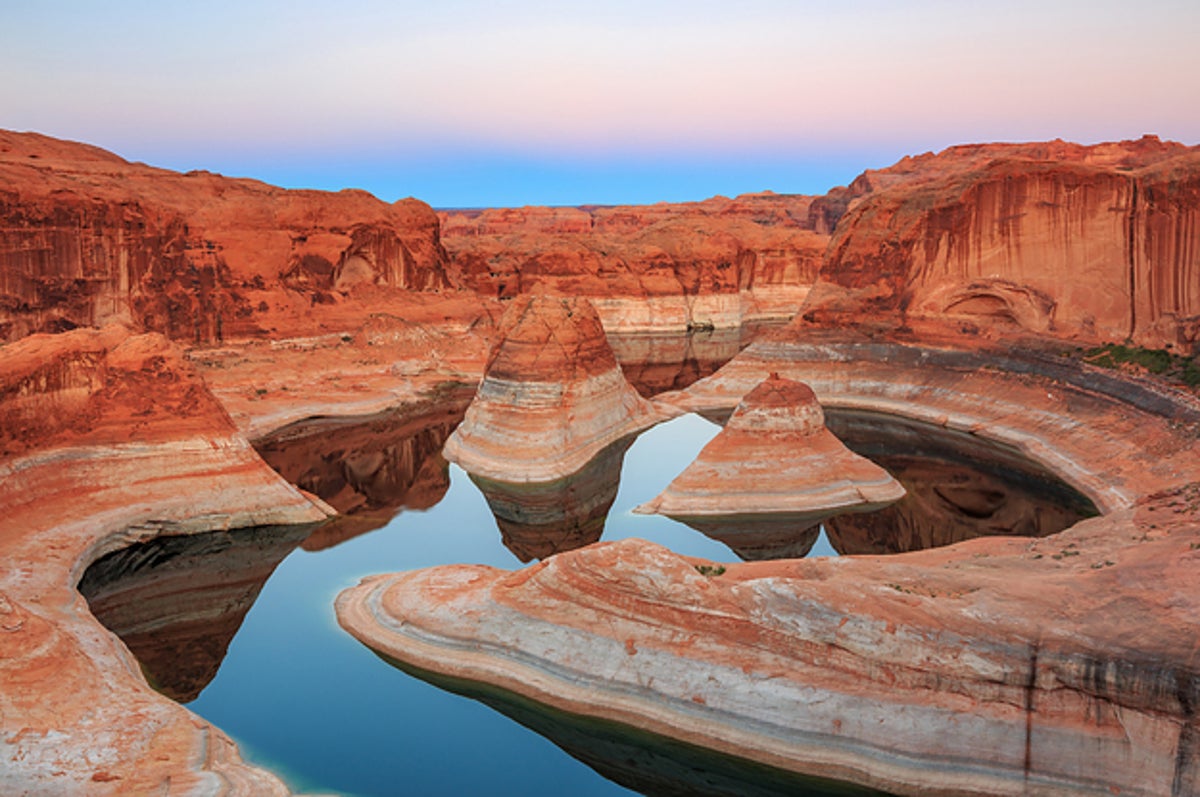
Utah is home to five stunning national parks, often referred to as the "Mighty Five": Zion, Bryce Canyon, Arches, Canyonlands, and Capitol Reef. Each park offers unique landscapes, from the towering sandstone cliffs of Zion to the otherworldly hoodoos of Bryce Canyon. Arches National Park features over 2,000 natural stone arches, while Canyonlands provides vast, rugged canyons and stunning vistas. Capitol Reef, with its colorful rock formations and hidden canyons, is a lesser-known gem. Visiting Utah's national parks is a must for nature lovers and adventure seekers, offering unforgettable experiences in some of the most beautiful and diverse landscapes in the United States.
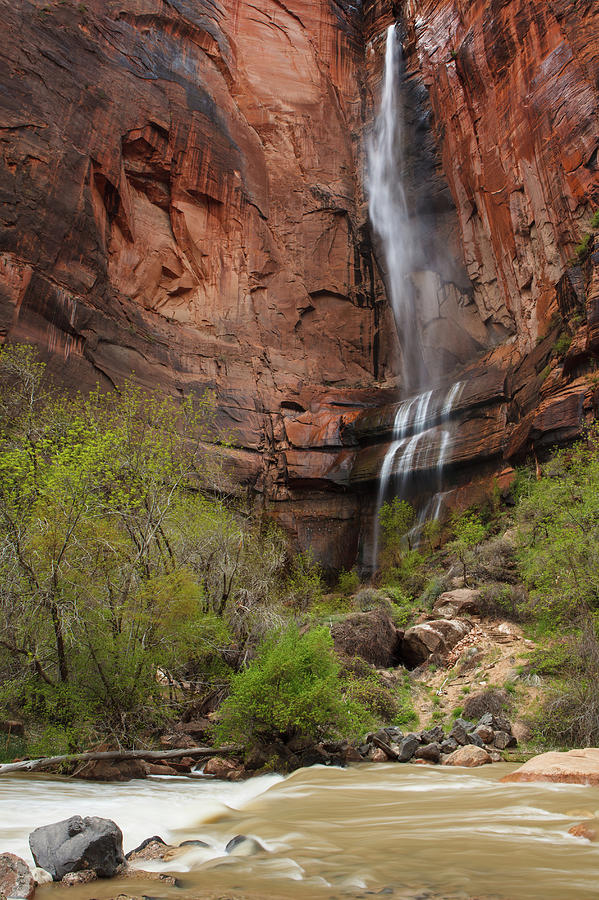
Zion National Park, located in southwestern Utah, is a stunning showcase of towering sandstone cliffs, narrow canyons, and diverse ecosystems. The park's iconic features include the towering Angels Landing, the serene Virgin River, and the emerald pools. Hikers flock to Zion for its adventurous trails, such as The Narrows, where you wade through the river between canyon walls, and the challenging ascent to Angels Landing, offering panoramic views. Zion's varied landscapes support a rich variety of plant and animal life, making it a haven for nature lovers. Its dramatic scenery and outdoor activities make Zion one of Utah's most visited national parks.
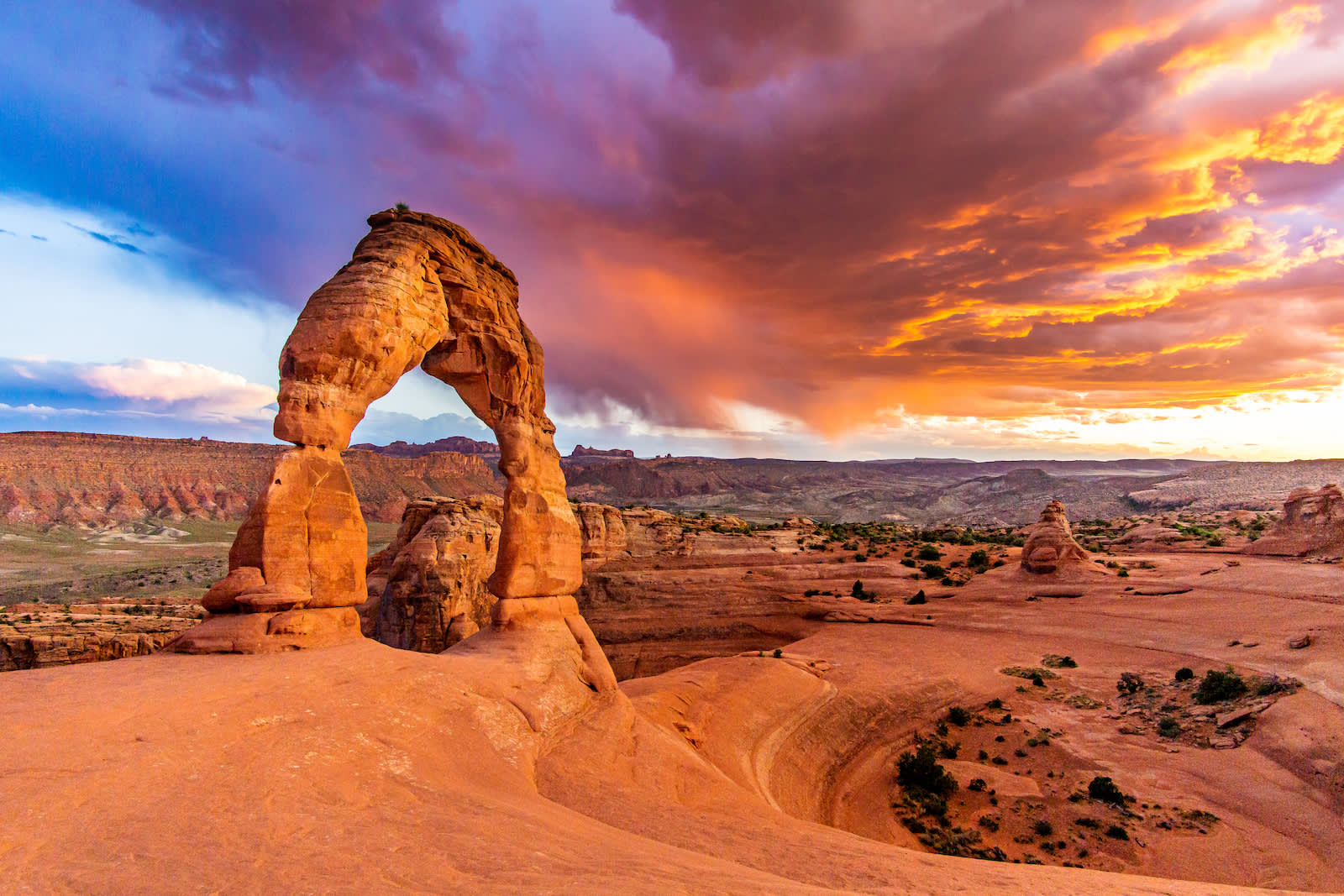
Arches National Park, located in eastern Utah, is renowned for its stunning natural rock formations, including over 2,000 stone arches, pinnacles, and balanced rocks. The park's iconic Delicate Arch is a symbol of the state's rugged beauty. Formed by millions of years of erosion, these arches offer a unique glimpse into the geological history of the region. Visitors can explore a variety of hiking trails, ranging from easy walks to challenging treks, each offering breathtaking views of the red rock landscape. Arches National Park is a must-visit destination for nature lovers, photographers, and outdoor enthusiasts.
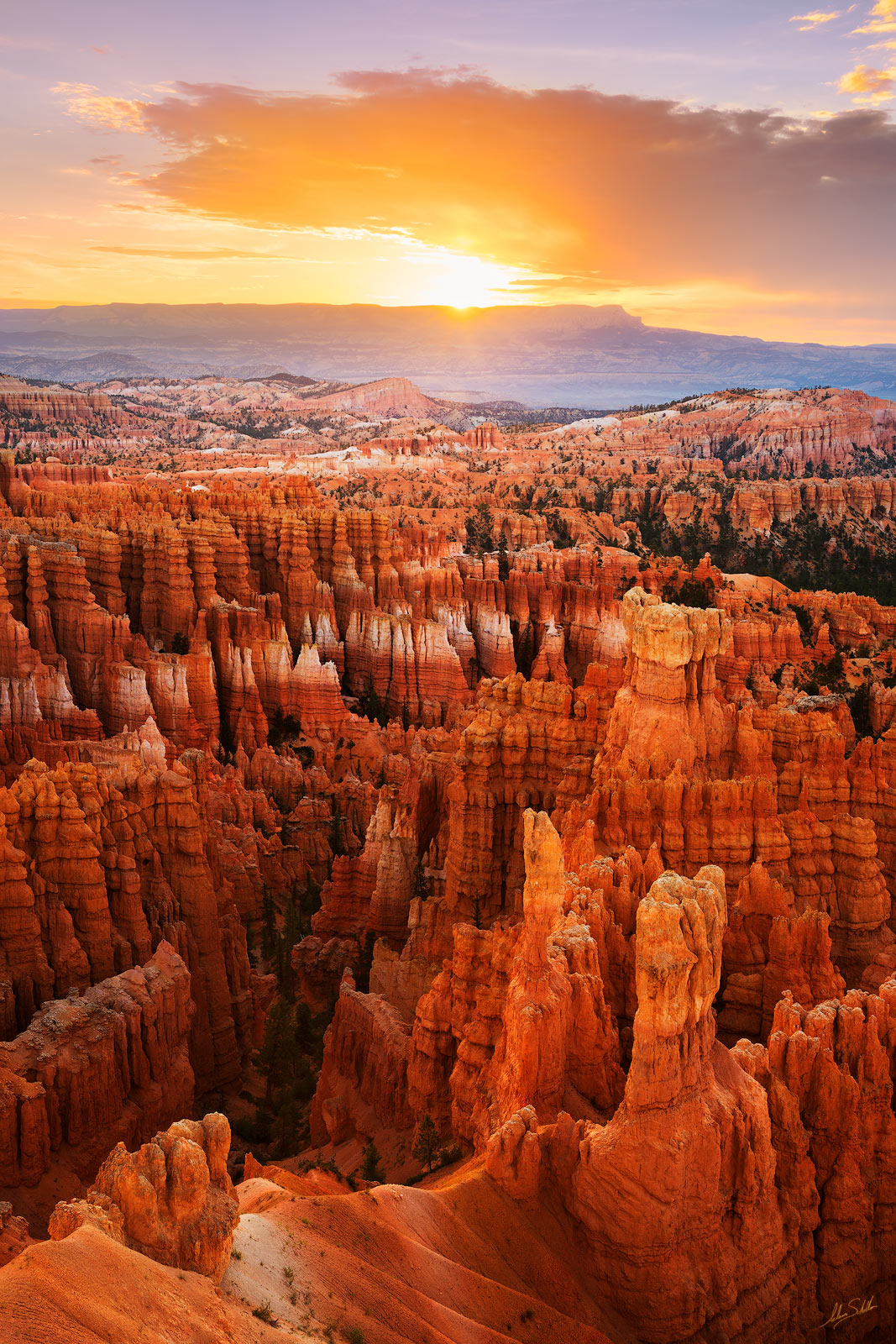
Bryce Canyon National Park, located in southern Utah, is famous for its unique geological formations known as hoodoos—tall, thin spires of rock that rise dramatically from the canyon floor. The park’s vibrant red, orange, and white rock layers create a striking landscape, especially during sunrise and sunset. Bryce Canyon’s high elevation offers cooler temperatures and expansive views, with popular viewpoints like Sunrise Point and Sunset Point providing stunning vistas. Hiking trails, such as the Navajo Loop and Queen’s Garden, take visitors through the heart of the hoodoos. Bryce Canyon is a natural wonder, captivating visitors with its surreal beauty and serene atmosphere.
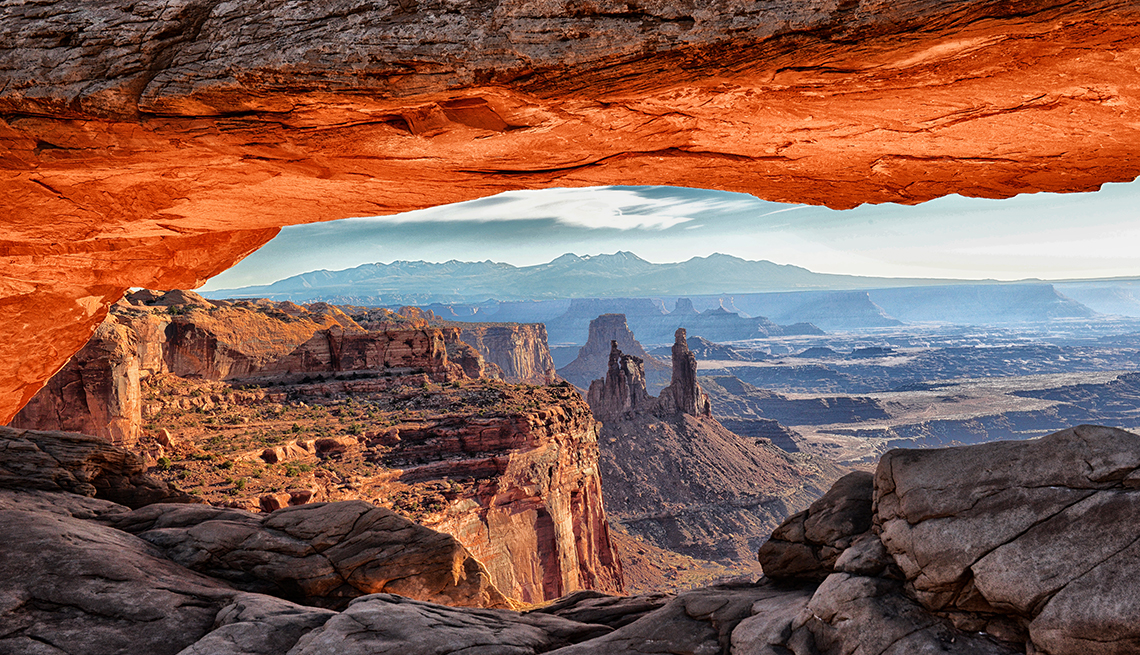
Canyonlands National Park, located in southeastern Utah, is a vast and rugged landscape carved by the Colorado and Green Rivers. The park is divided into four distinct districts: Island in the Sky, The Needles, The Maze, and the rivers themselves. Each area offers unique experiences, from panoramic views atop towering mesas to intricate rock formations and deep canyons. The Island in the Sky district provides easy access to breathtaking overlooks, while The Needles offers challenging hikes through colorful spires. The remote Maze district is for adventurous explorers. Canyonlands is a haven for hikers, campers, and photographers, showcasing the raw beauty of the American Southwest.
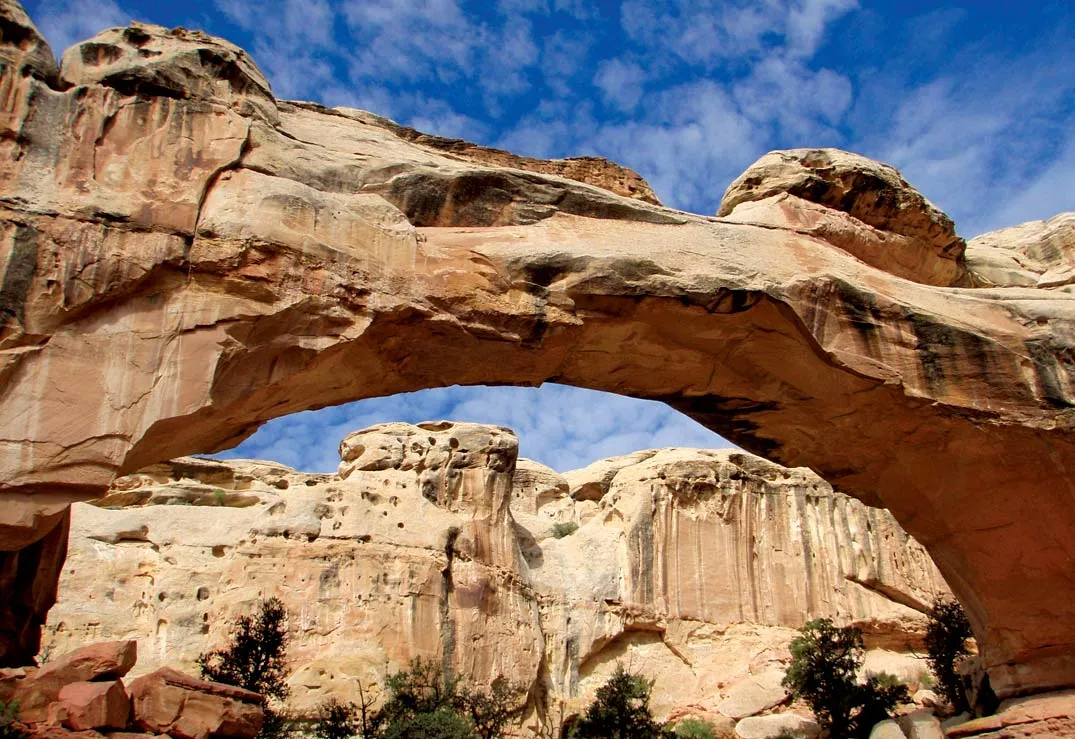
Capitol Reef National Park, located in south-central Utah, is a hidden gem known for its striking landscapes and geological wonders. The park features the Waterpocket Fold, a nearly 100-mile-long wrinkle in the Earth's crust, showcasing layers of colorful rock formations. Capitol Reef's landscape is dotted with cliffs, domes, and natural bridges, offering a serene and less crowded alternative to other Utah parks. Visitors can explore scenic drives, hiking trails, and the historic Fruita district, where pioneer orchards still produce fruit. The park’s diverse terrain and rich history make it a captivating destination for adventurers and those seeking solitude in nature.
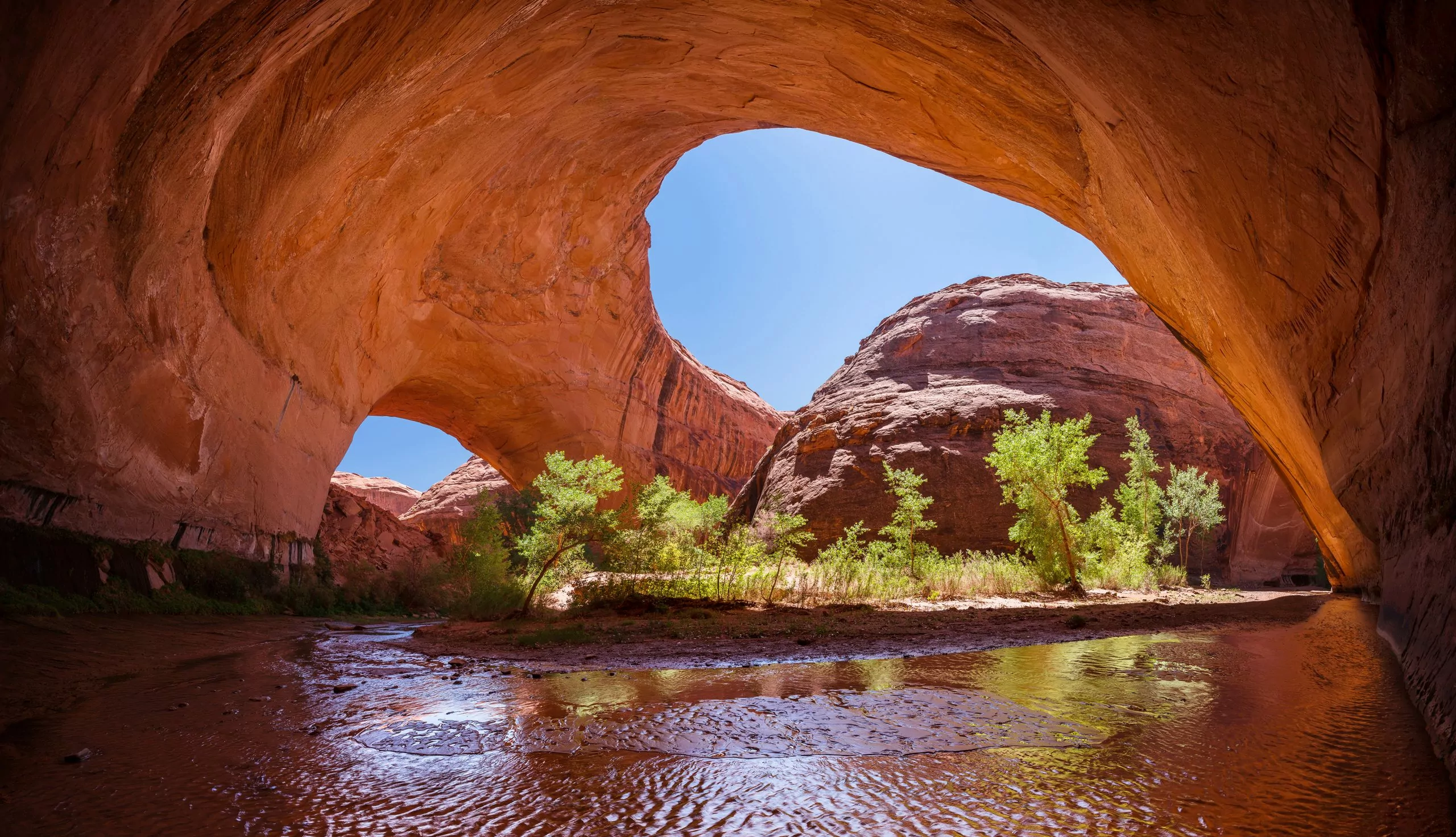
Grand Staircase-Escalante National Monument, located in southern Utah, is a vast and rugged landscape encompassing nearly 1.9 million acres of scenic beauty. This remote wilderness is characterized by its dramatic cliffs, deep canyons, natural arches, and vibrant desert landscapes. The monument is divided into three main regions: the Grand Staircase, the Kaiparowits Plateau, and the Escalante Canyons. Each area offers unique opportunities for exploration, from hiking through slot canyons to discovering ancient petroglyphs and dinosaur fossils. Known for its geological diversity and stunning vistas, Grand Staircase-Escalante is a paradise for adventurers and nature enthusiasts seeking solitude and natural wonders.
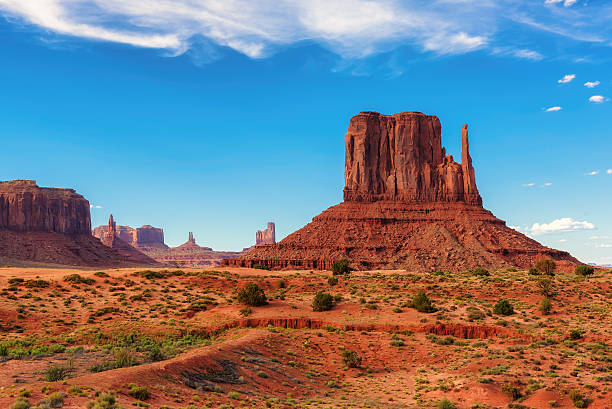
Monument Valley, located on the Utah-Arizona border, is one of the most iconic landscapes in the American Southwest. Known for its towering sandstone buttes that rise dramatically from the desert floor, Monument Valley has been a popular backdrop for countless films, particularly Westerns. The area is part of the Navajo Nation, and visitors can explore the valley through guided tours that offer insights into the region's cultural and geological history. The 17-mile scenic drive through Monument Valley Navajo Tribal Park provides breathtaking views, making it a must-visit destination for photographers and nature enthusiasts alike.